
Currently reading

Multilingual Development: What Parents Don’t Need to Worry About


Why do children sometimes mix two languages in the same sentence?
- Is it a cause for concern if they speak very little when they first begin learning English?
- And does using the home language at home slow down the process of learning another language?
- Understanding these common misconceptions can help families feel more confident as their children grow into capable and confident language users.
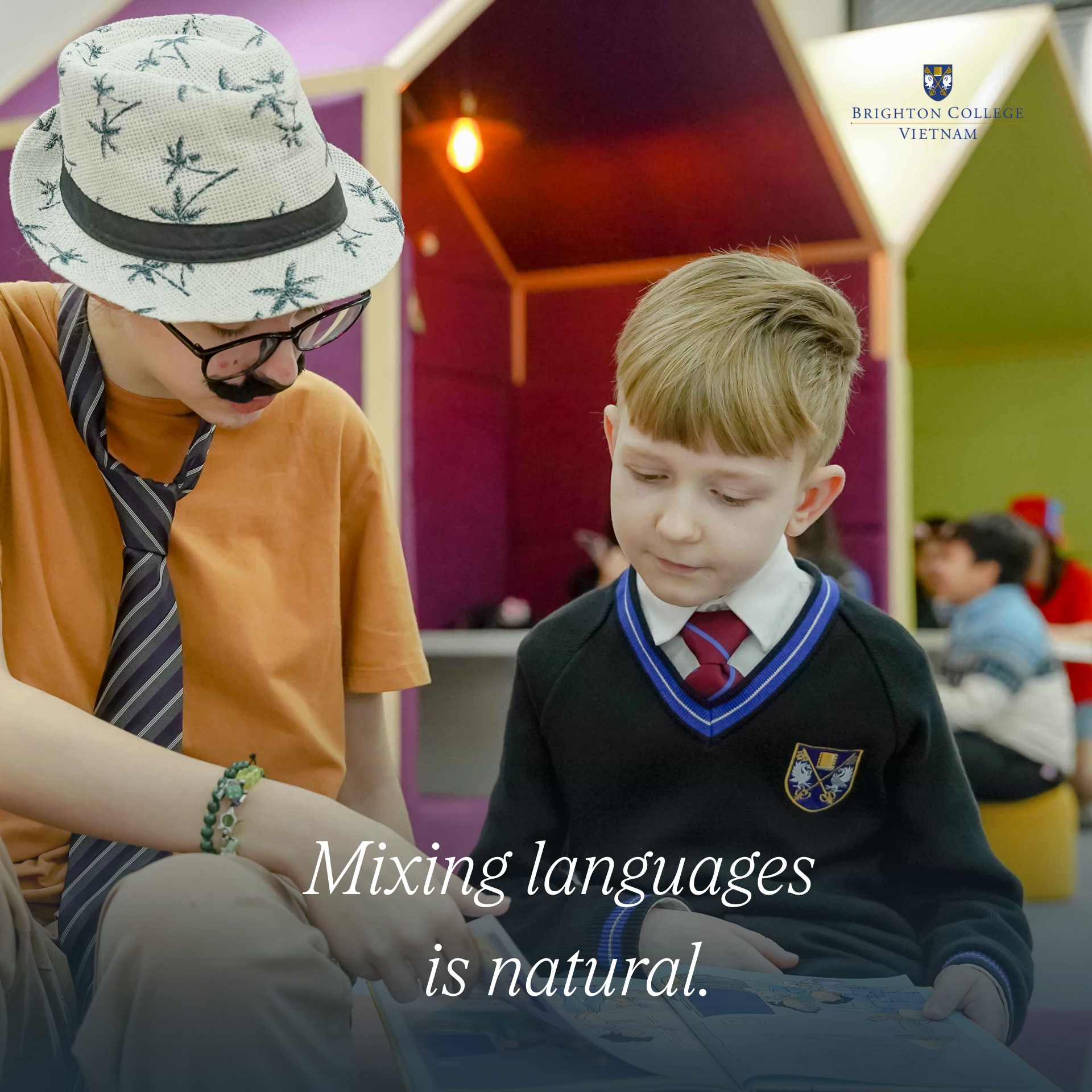
- Language mixing: Multilingual pupils often mix words from different languages in one sentence. This natural stage, known as code-switching, is not a sign of confusion and gradually becomes more refined as pupils’ vocabulary grows in each language.
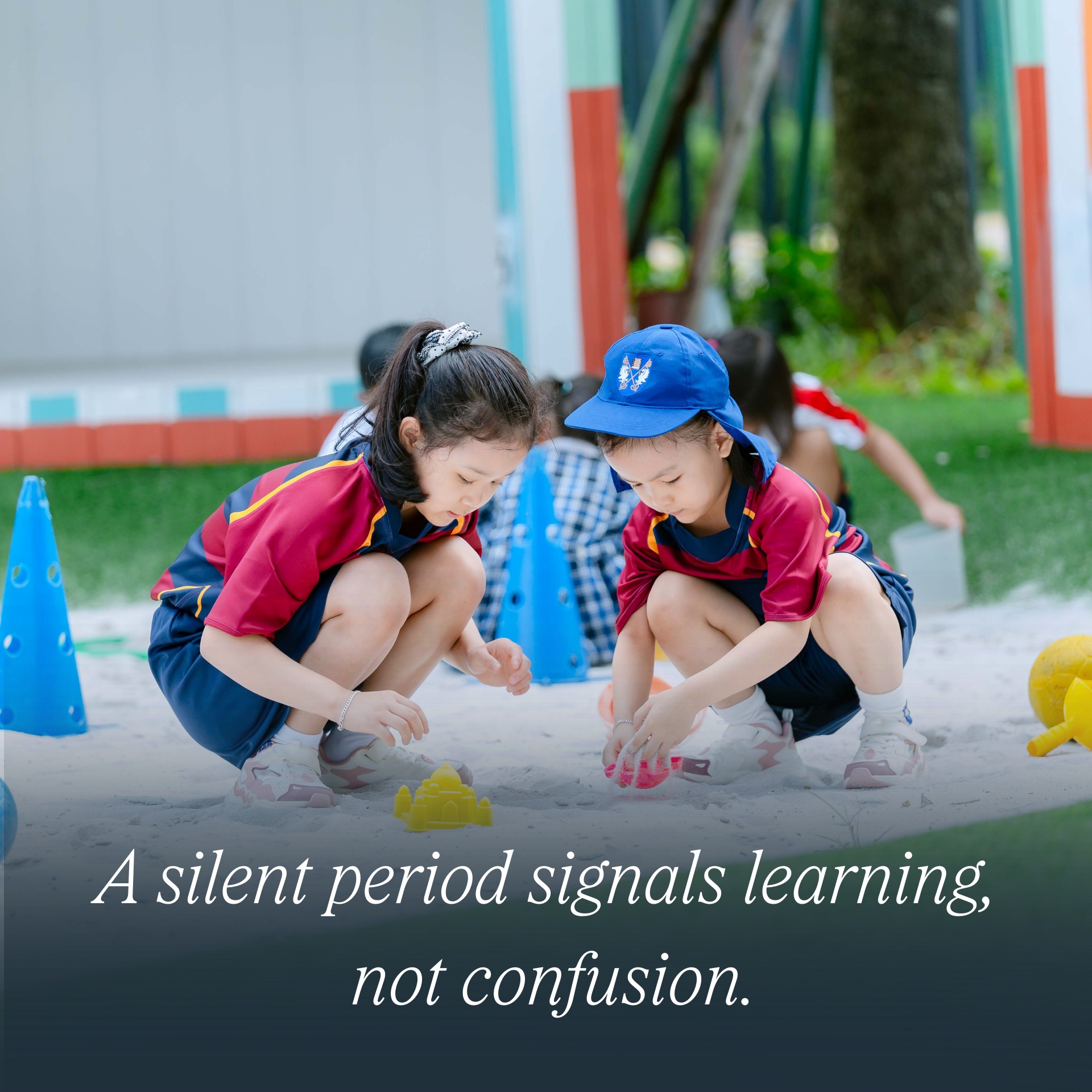
- Silent periods when learning English: When first entering an English-speaking environment, some pupils may speak very little English. During this “silent period”, they are actively listening and absorbing the language before beginning to speak with confidence.
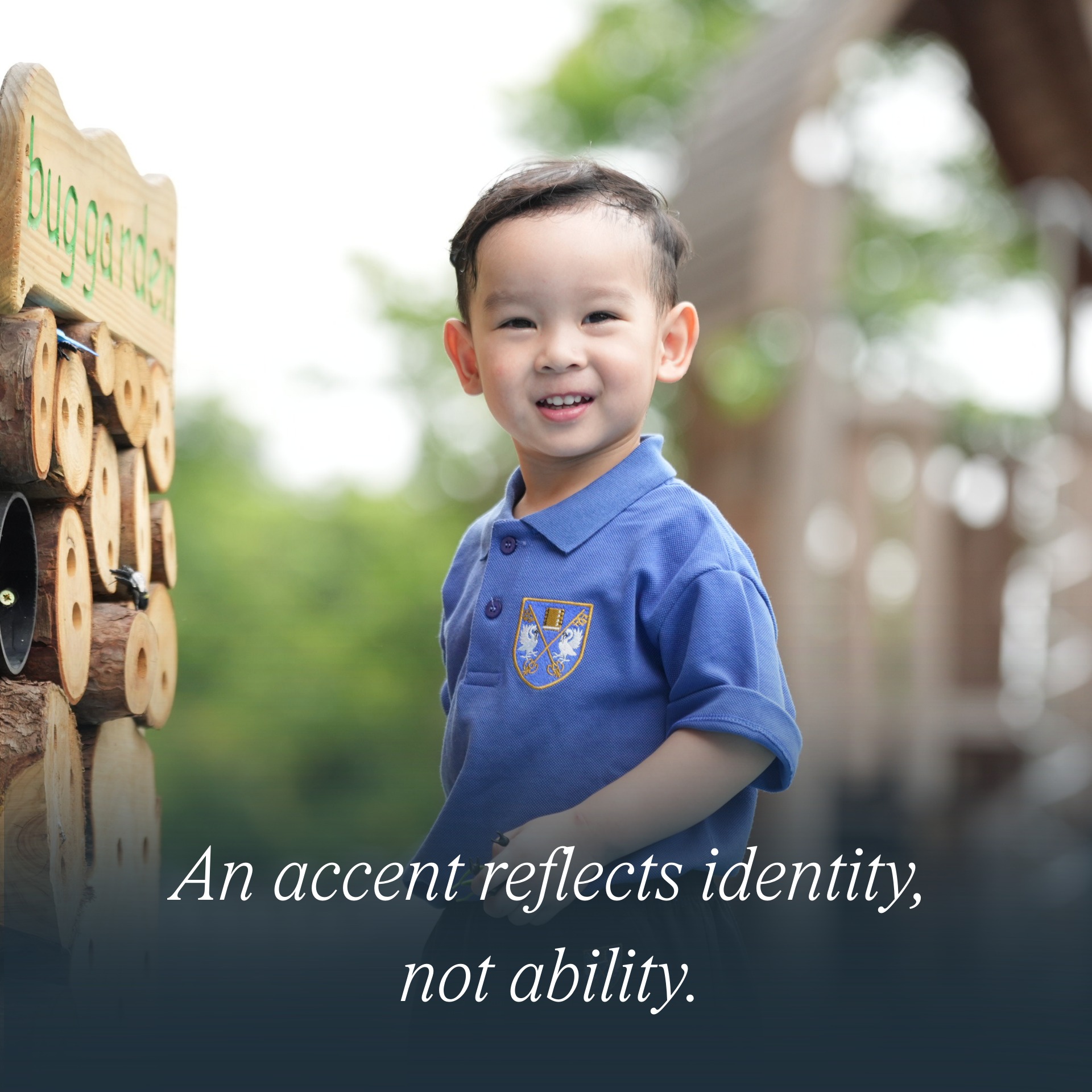
- Accent differences: Having an accent is a natural part of learning an additional language and simply reflects a pupil’s linguistic background. What matters most is that pupils are able to communicate clearly and confidently.
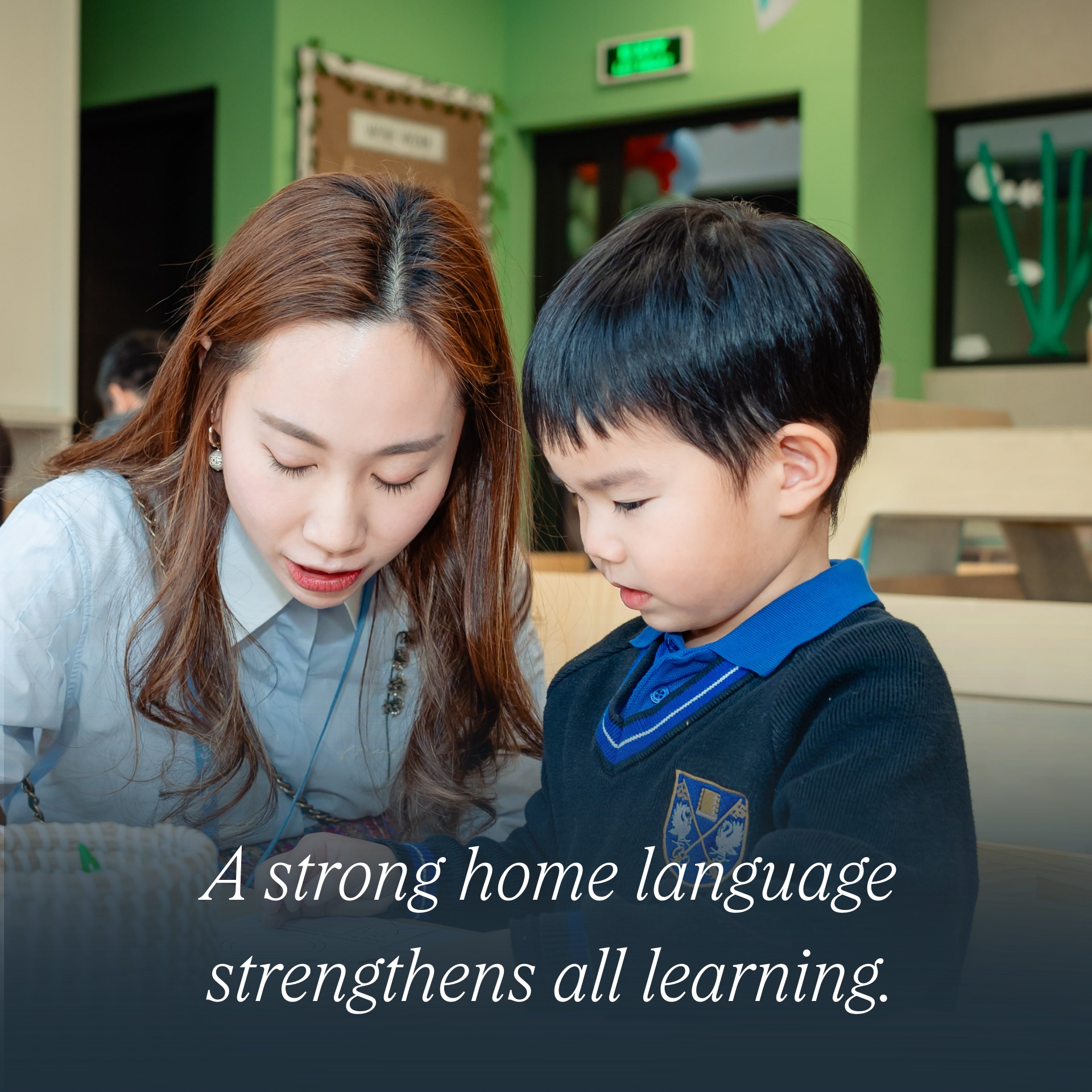
- Using the home language at home: A strong home language supports children’s thinking and language development, helping them transfer skills such as vocabulary and storytelling to additional languages. Maintaining the home language also strengthens family relationships and a child’s sense of identity.
At Brighton College Vietnam, multilingual learners are supported through a clear language pathway across every stage of learning, alongside dedicated EAL (English as an Additional Language) support and Vietnamese programmes for both native and non-native speakers. The College also works in close partnership with families, ensuring pupils are supported with patience and care as they grow in confidence across languages.